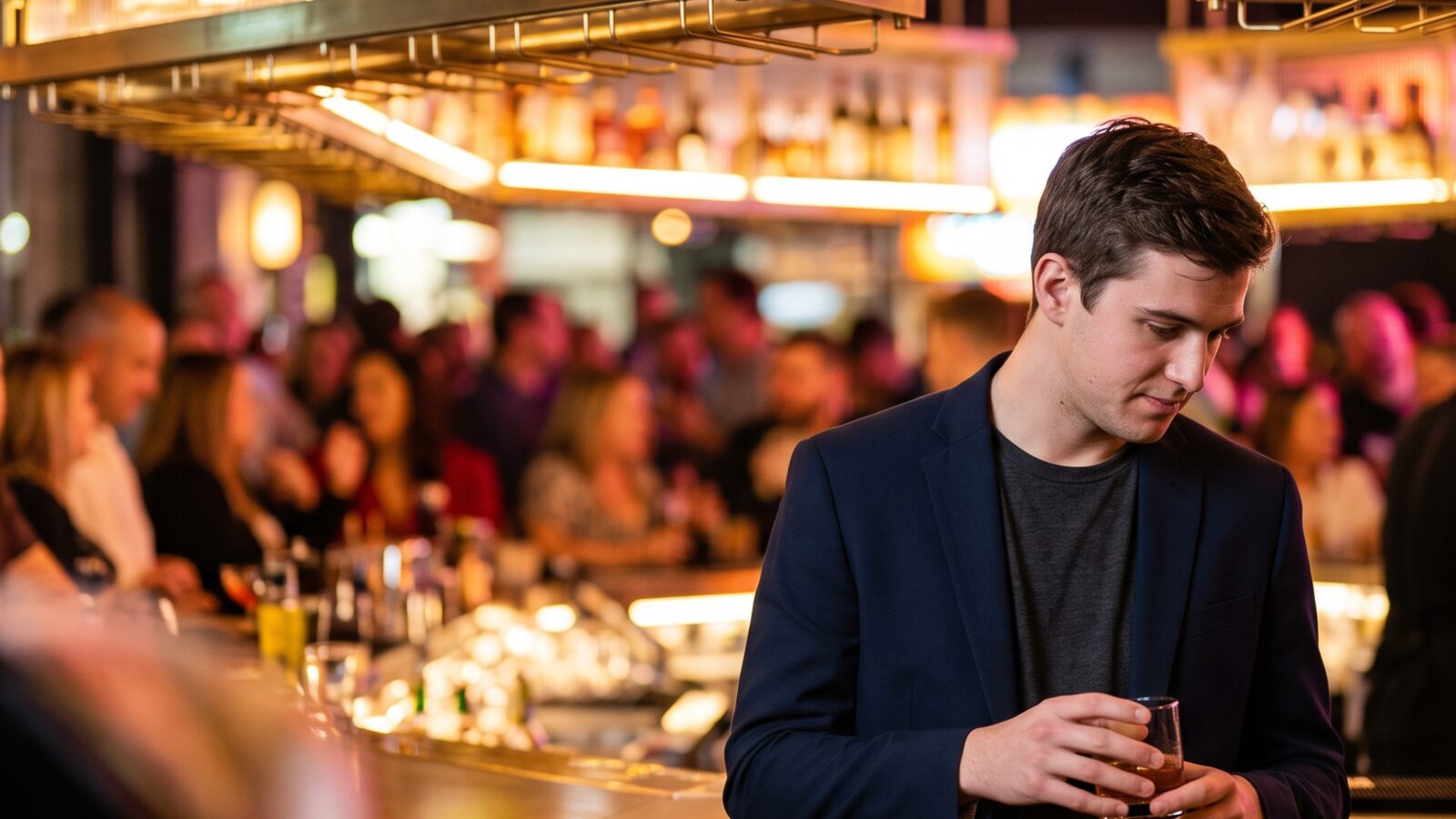
Think about where you have met the people who matter to you. Odds are a lot of them came from somewhere that was neither your home nor your job: a bar, a gym, a coffee shop, a club, a corner of the neighborhood where people just ended up. Those in-between places have a name, and they are quietly disappearing. When they go, they take a piece of our social lives with them.
What is a third place?
A third place is the informal public spot where people gather outside of home (the first place) and work (the second). The cafe, the pub, the barbershop, the rec center, the regular bench at the park. Sociologist Ray Oldenburg coined the term in his 1989 book The Great Good Place for exactly these settings: casual, welcoming, and open to whoever shows up.
What makes them matter is the low stakes. You do not need a reason or an invitation. You just go, and because the same people keep going, connection happens by repetition rather than by some big, nervy introduction. Third places are where meeting someone new feels least like a performance.
Why are third places disappearing?
A mix of forces, none of them dramatic on their own. Local bars, bookstores, and gathering spots close as rents rise and habits move online. Suburban, car-dependent design spreads everything out, so there are fewer places you can simply walk to and linger in. Convenience culture routes more of daily life through a screen and a delivery app, which means fewer reasons to be out among strangers at all.
Nobody banned the third place. It just got squeezed, quietly, until a lot of people realized they no longer had one.
What does losing them actually cost us?
Fewer low-stakes rooms to meet anyone new. That is the real loss. Home and work are mostly closed loops, the same handful of people on repeat. Third places were the open door, the place where a stranger could become a familiar face and then a friend or more, without anyone having to engineer it.
Take the open door away and connection gets harder for everyone, not because people want it less, but because the easy on-ramp is gone. Loneliness rises in a world with fewer places to loosely belong.
Can we rebuild them?
People are already trying, and the appetite is obvious. Run clubs, hobby meetups, recurring events, and phone-free gatherings are filling the gap on purpose. Eventbrite reported a sharp rise in in-person, present-over-scrolling events through 2026, a 567 percent jump in listings, which is a lot of people voting with their evenings for somewhere to gather again.
The lesson is that the third place has not lost its pull. It just has to be chosen now rather than assumed. Find the recurring rooms near you and keep showing up.
Third places were the open door. Take the open door away and connection gets harder for everyone.
Where does frstmove fit?
frstmove helps the third places that remain do more. As the instant dating app, it adds a layer of real-time signal to the room you are already in, so the bar or the event or the coffee shop becomes a place where you can actually tell who is open, not just hope. You go visible, send a Move to someone nearby, and if they Move back you Connect. The room stays the point. frstmove just helps it deliver on its old promise.
Third places are thinning out. Your social life does not have to thin out with them. Get the app, pick a room, and make the first move.
Sources
- Oldenburg, R. (1989). The Great Good Place. (origin of the "third place" concept)
- U.S. Surgeon General (2023). Our Epidemic of Loneliness and Isolation. Advisory